
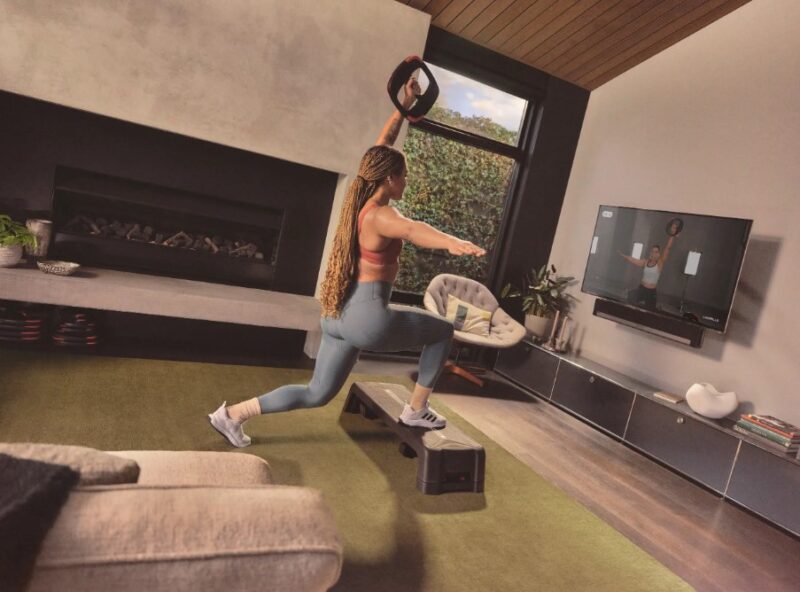
Getting the right workout in front of the right athlete at the right time sounds simple. But if you’ve ever scrambled to share a PDF through a group chat, texted out a link that expired, or watched half your class stare blankly at a whiteboard because they couldn’t read it from the back row, you know the reality is messier.
Modern gyms need modern delivery systems, and today we’re breaking down exactly how synced content delivery, scheduling, and access links work together to make your coaching life smoother.
Why Content Delivery Is a Bigger Deal Than You Think
Most coaches think of “content delivery” as just sending out a workout. But it’s actually the backbone of your client experience. When athletes know what’s coming, they show up prepared and engaged. When content is unclear or hard to access, frustration builds fast and your retention quietly suffers.
Here’s what good content delivery actually does for your gym:
- Reduces the number of “what’s the workout today?” messages you get
- Creates a sense of professionalism that builds client trust
- Gives athletes time to mentally prepare and scale their movements
- Frees up coaches to focus on coaching, not explaining logistics
- Reduces class delays caused by confusion at the start
Think about it this way: every minute spent explaining how to find the workout is a minute not spent helping someone move better.
Getting Workouts to Phones Without the Chaos
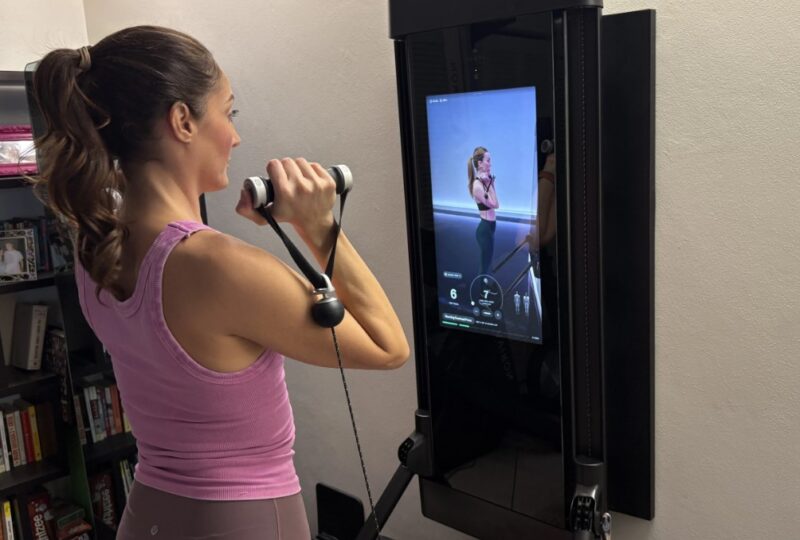
One of the most underrated features in gym management platforms is the ability to pre-schedule your workout content. Instead of posting a workout the morning of class and hoping everyone sees it, you can map out an entire week, or even a month, of programming and set it to deliver automatically.
With tools like FitViz’s built-in Workout Timer, scheduling goes a step further. You’re not just publishing a list of exercises; you’re delivering an interactive, timed workout experience that athletes can follow on their phones in real time. That changes the whole dynamic of class. Athletes aren’t waiting for a coach to call time. They’re plugged in, focused, and moving with the session rather than against it. Schedule it once, and the system handles the rest.
Access Links – Simple, Secure, and Shareable
Did you know? Studies on digital engagement show that users are significantly more likely to complete an action when it requires fewer than three clicks. Workout access should be no different.
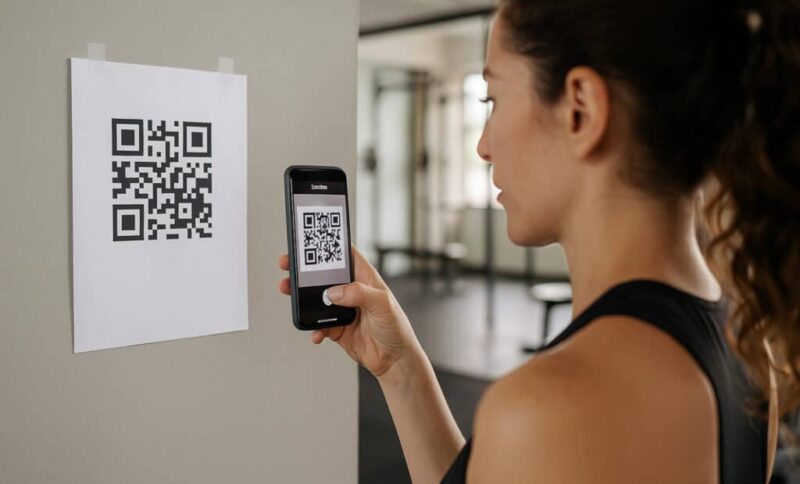
Access links are exactly what they sound like: direct URLs that take athletes straight to their scheduled content with zero friction. No app download required. No login wall to fight through. Just tap, and you’re in.
Here’s a quick look at how access link systems typically work:
[su_table responsive=”yes”]
| Feature | What It Means for Your Gym |
| Unique per-class links | Athletes only see what’s relevant to them |
| Time-gated access | Content unlocks when class starts, not before |
| No login required | Zero friction for drop-ins or new members |
| Shareable via SMS/email | Fits into your existing communication flow |
[/su_table]
The real power here is in that time-gated access. You control exactly when a link goes live, so athletes aren’t peeking at next week’s programming before you’re ready to share it.
Displaying Workouts on TVs and Screens
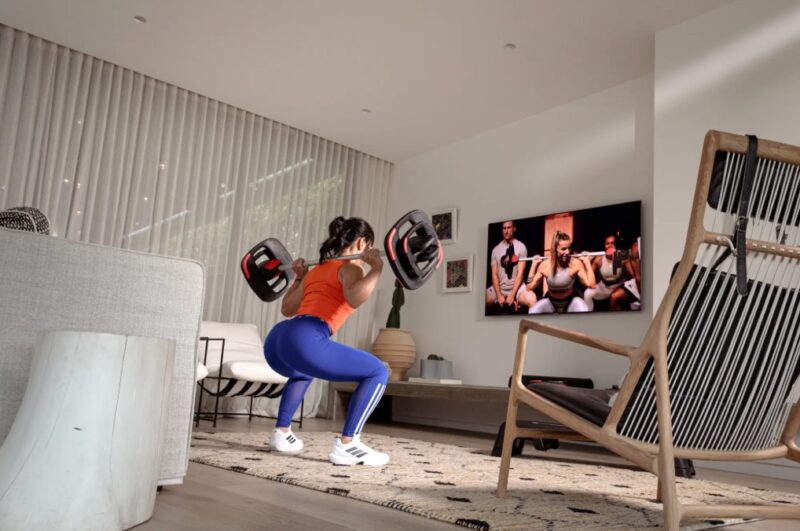
Your gym’s TV screen is prime real estate. It’s the first thing athletes look at when they walk in, and during a workout, it becomes the anchor of the whole session. If your screen is showing a static image or a blurry photo of a whiteboard, you’re leaving a massive opportunity on the table.
A properly configured display system gives you:
- Clean, readable workout breakdowns visible from anywhere in the room
- Automatic transitions between warm-up, strength, and conditioning sections
- Built-in timers that run without any manual input from the coach
- Branded visuals that reinforce your gym’s identity every single session
Athletes trust what they can clearly see. When your screen is organized and professional, it signals that your programming is too.
Syncing Phone and TV Content Seamlessly
Here’s where things get genuinely cool. The best platforms today sync phone and TV content automatically. That means when you update a workout on the backend, it reflects on both the wall-mounted TV and every athlete’s phone link simultaneously. No double-entry. No version mismatch. No one working off an old rep scheme because they loaded the link ten minutes early.
This sync layer matters most during high-volume times, like a Saturday morning open gym or a competition prep week when programming changes fast. You make one edit, and the whole system updates. Coaches can stay on the floor, engaged with athletes, instead of running back to a laptop to fix a display or resend a corrected link.
Building a Content Delivery Workflow That Actually Sticks
Let’s be real: a system is only useful if your team actually uses it. The best content delivery setup is the one that fits into your existing workflow without requiring a total overhaul. That usually means starting simple: schedule one week of workouts in advance, set up your TV display, generate your access links, and test the experience as if you were a first-time member.
Walk through it yourself. Is the link easy to open? Does the timer feel intuitive? Can you read the workout from the back of the room? These small checks make a big difference in daily execution.
A few habits that help:
- Batch your programming on one day per week and schedule everything at once
- Use the same link-sharing method consistently so athletes know where to look
- Review your TV display setup at the start of each week to catch any formatting issues
Consistency in your process creates consistency in the athlete experience.
The Real Goal – Less Friction, More Coaching
At the end of the day, all of this, the scheduling, the access links, the TV sync, exists to give you one thing back: time. Time to coach. Time to build relationships. Time to help the athlete in the corner who’s struggling with their squat form instead of answering the same logistical questions over and over.
When your content delivery system runs quietly in the background doing its job, your energy goes where it actually matters. That’s not just a technology win. That’s a coaching win, a culture win, and honestly, a business win too. Gyms that run smoothly feel different. Athletes notice. And athletes who notice, stay.